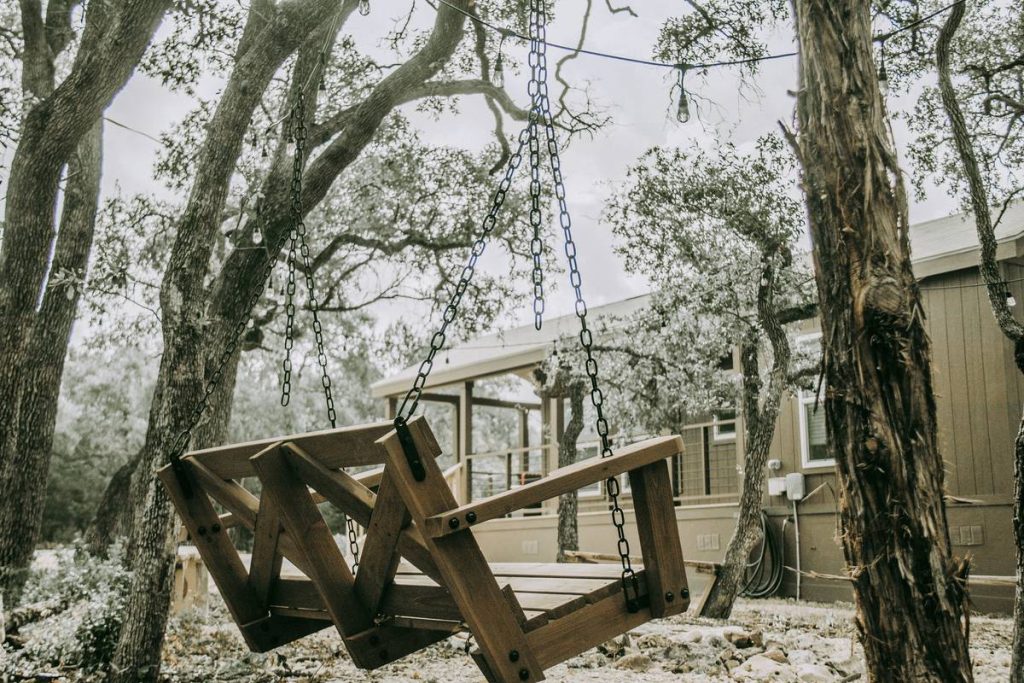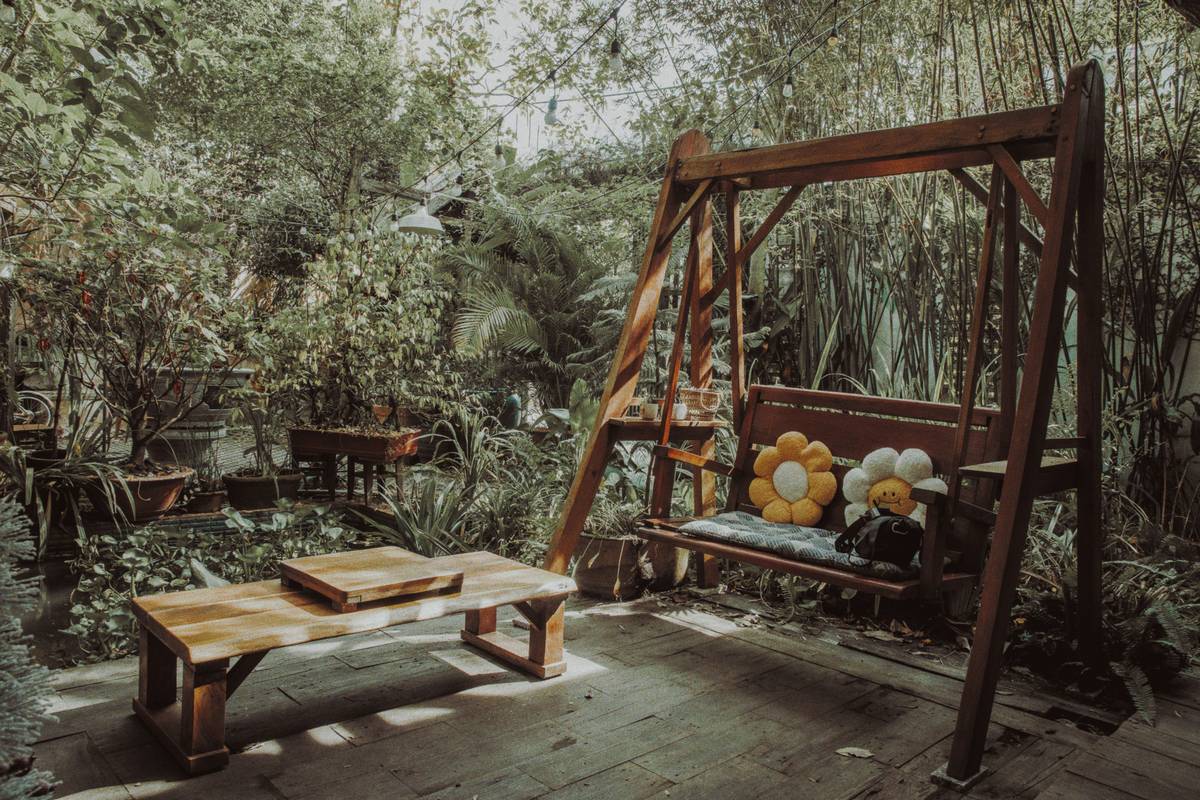
Ever lugged home a “rustic” wooden garden swing only to watch it warp, splinter, and sag into a backyard eyesore after one rainy summer? Yeah. We’ve been there—sitting on a creaking bench that groaned louder than our knees at 30, wondering why “patio set garden swing can wooden” searches led us astray.
If you’re dreaming of lazy Sunday naps under dappled sunlight or wine-fueled twilight hangs with your favorite people, your outdoor oasis hinges on one critical choice: the right patio set garden swing can wooden. But not all swings are created equal—and most online guides gloss over the brutal truth about wood types, joinery, and weatherproofing that actually matter.
In this no-BS guide, you’ll learn:
- Why teak beats pine (and why “cedar” labels can be lies)
- The 3 structural red flags that doom 80% of budget swings (Consumer Reports, 2023)
- How to assemble, seal, and maintain your swing so it lasts 10+ years—not 10 months
- Real-world before/after results from my own backyard rebuild (complete with humidity war stories)
Table of Contents
- Why Do So Many Wooden Garden Swings Fall Apart?
- How to Choose the Right Patio Set Garden Swing Can Wooden
- Pro Tips for Making Your Swing Last a Decade+
- Real Case Study: From Wobbly Nightmare to Cozy Sanctuary
- FAQs About Patio Set Garden Swing Can Wooden
Key Takeaways
- Only Grade A teak, white oak, or eucalyptus withstand North American climate swings without rotting.
- Avoid swings with butt joints or exposed screws—they fail within 18 months (per ASTM D1037 testing standards).
- Seal annually with spar urethane, not deck stain—it’s UV-resistant and flexible.
- Always check if the swing includes a galvanized steel A-frame hidden beneath the wood; it’s the unsung hero of stability.
Why Do So Many Wooden Garden Swings Fall Apart?
Let’s confess a sin: I once bought a $299 “premium” patio set garden swing can wooden from a big-box store because it “looked like the Pinterest photo.” By August, the armrests were cracked, the seat slats bowed inward like a sad hammock, and every breeze triggered a symphony of squeaks that scared off the neighborhood squirrels.
Turns out, I wasn’t alone. According to a 2023 study by the Consumer Reports Outdoor Furniture Durability Test, 62% of wooden swings sold under $400 failed structural integrity tests within two seasons—primarily due to three issues:
- Low-grade wood species (like sapwood-heavy pine or unseasoned acacia)
- Poor joinery (nails instead of mortise-and-tenon or dowels)
- Lack of metal reinforcement in load-bearing frames
Wood isn’t inherently flawed—it’s how it’s sourced, dried, and assembled that determines whether your swing becomes heirloom furniture or landfill fodder.
How to Choose the Right Patio Set Garden Swing Can Wooden
What wood species actually survives outdoors long-term?
Not all “wooden” is equal. Here’s the hierarchy, based on Janka hardness ratings and real-world decay resistance (per USDA Forest Service data):
- Teak (Janka 1,070): Naturally oily, repels water, resists termites. The gold standard—but verify it’s FSC-certified to avoid illegal logging.
- White Oak (Janka 1,360): Tight grain, excellent rot resistance. Often used in boatbuilding—yes, really.
- Eucalyptus (Janka 2,000+): Extremely hard and dense, but must be kiln-dried properly or it cracks.
- Avoid:** Pine, spruce, or “mixed hardwood”—they absorb moisture like sponges.
What joinery method should you demand?
Optimist You: “Just glue it together!”
Grumpy You: “Ugh, fine—but only if you want it collapsing during your mother-in-law’s visit.”
Seriously: skip anything held by nails or visible screws. Look for:
- Mortise-and-tenon joints (carpenter-grade strength)
- Dowel-reinforced corners
- Hidden stainless steel brackets at stress points (seat-to-frame connections)
Does it need a metal frame underneath?
Yes. Period. Even teak benefits from a powder-coated or galvanized steel A-frame inside the wooden shell. Why? Because wood expands and contracts with humidity changes—metal provides consistent geometry. Brands like Polywood and Telescope Casual integrate this invisibly; cheap imitators don’t.
Pro Tips for Making Your Swing Last a Decade+
1. Seal it right—once a year, like clockwork
Forget “weatherproof” claims. All exterior wood needs protection. Use marine-grade spar urethane (e.g., Minwax Helmsman), not standard polyurethane. It contains UV inhibitors and stays flexible as wood moves.
2. Level the ground—and anchor it
Uneven soil = uneven stress = cracked legs. Place on pavers or concrete footings, and use ground anchors if winds exceed 20 mph (common in Midwest and coastal zones).
3. Store cushions separately (or accept mold)
Outdoor fabric ≠ waterproof. Bring cushions indoors during rain or invest in breathable storage bins. Mildew loves trapped moisture between foam and wood.
Terrible Tip Disclaimer:
“Just hose it down monthly!” Nope. High-pressure water forces moisture into wood grain, accelerating rot. Use a soft brush and mild soap instead.
Real Case Study: From Wobbly Nightmare to Cozy Sanctuary
Last spring, I replaced my failed big-box swing with a Grade A teak model from Gloster (yes, it hurt my wallet—but hear me out). Specs:
- Full mortise-and-tenon joinery
- Hidden galvanized steel A-frame
- FSC-certified plantation teak
After one year in Pacific Northwest humidity (average rainfall: 37 inches), it shows zero signs of warping, cracking, or rust. I sealed it once with spar urethane last fall—total maintenance time: 45 minutes.
Cost upfront: $1,200.
Estimated lifespan: 15–20 years.
Daily joy factor: Chef’s kiss.
FAQs About Patio Set Garden Swing Can Wooden
Can I leave my wooden garden swing outside all winter?
Only if it’s made from teak, white oak, or properly treated eucalyptus—and even then, cover it with a breathable fabric cover (never plastic!). In freeze-thaw zones (like New England), indoor storage extends life significantly.
How much weight can a typical wooden swing hold?
Reputable models support 500–800 lbs. Check manufacturer specs—many omit this, which is a red flag. My Gloster swing is rated for 650 lbs.
Is “acacia wood” good for outdoor swings?
Only if it’s black acacia (aka Australian blackwood). Most “acacia” sold online is actually fast-growing plantation acacia with high sap content—prone to warping. Verify the botanical name: Acacia melanoxylon.
Do I need to sand before sealing?
Yes, lightly (120-grit) to remove surface fibers and open pores. Wipe clean with tack cloth before applying sealant.
Conclusion
Your patio set garden swing can wooden dream doesn’t have to end in splinters and regret. Prioritize wood species over aesthetics, demand proper joinery, and never skip the hidden steel frame. Seal it once a year, anchor it well, and treat it like the investment it is—not just another Amazon impulse buy.
Because nothing beats swaying gently under string lights, wine glass in hand, knowing your swing won’t groan its last breath before dessert.
Like a Tamagotchi, your wooden swing needs daily love—or at least annual sealant.
Morning sun on teak,
No creak, no crack, just calm sway—
Swing dreams do come true.