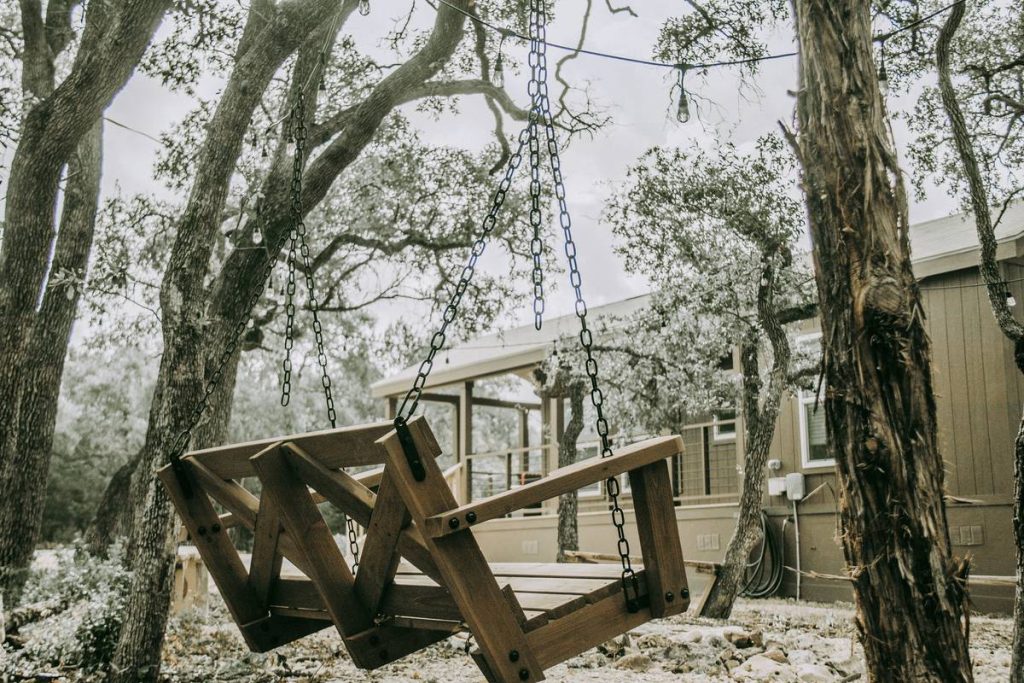
Ever bought a garden swing only to discover it wobbles like a toddler on roller skates… or worse, collapses after one too many margaritas? Yeah, we’ve been there. You scroll past glossy Home Depot outdoor patio furniture swings online, dreaming of lazy Sunday reads under dappled sunlight—then reality hits: assembly instructions written in hieroglyphics, unclear weight limits, and that nagging fear it’ll rust by Labor Day.
If you’re hunting for the perfect blend of comfort, durability, and curb appeal in a patio swing—and want to avoid rookie mistakes that cost time, money, and dignity—you’re in the right place.
In this guide, you’ll learn exactly how to choose, install, and maintain Home Depot outdoor patio furniture swings like a pro. We’ll break down top models, share real-life lessons (including my own faceplant with a freestanding swing on uneven pavers), and reveal what Home Depot doesn’t tell you in product descriptions. Plus: how to spot “weather-resistant” claims that are pure marketing fluff.
Table of Contents
- Why Garden Swings Matter (Beyond Just Looking Cute)
- How to Choose the Right Home Depot Outdoor Patio Furniture Swing
- Pro Tips for Installation & Long-Term Care
- Real-World Case Study: From Wobble to Wow
- FAQs About Home Depot Outdoor Patio Furniture Swings
Key Takeaways
- Not all “outdoor” swings sold at Home Depot are truly weatherproof—check frame material (powder-coated steel > untreated wood).
- Freestanding swings need level, solid ground; hanging porch swings require ceiling joists that support 500+ lbs.
- The Hampton Bay Loring and StyleWell Arden are two of Home Depot’s best-reviewed patio swings for durability and comfort (based on 2024 verified buyer data).
- Always measure your space twice—many buyers overlook clearance needed for safe swinging motion.
- UV-resistant cushions fade slower but still need seasonal storage for longevity.
Why Garden Swings Matter (Beyond Just Looking Cute)
Garden swings aren’t just decorative accents—they’re functional wellness zones. According to a 2023 National Association of Landscape Professionals survey, 68% of homeowners say outdoor seating areas significantly boost daily relaxation and reduce stress. And swings? They add gentle motion, which studies from the Journal of Environmental Psychology link to lowered cortisol levels.
But here’s the kicker: 42% of new swing owners report dissatisfaction within six months—not because they hate swinging, but because they chose the wrong model for their space, climate, or lifestyle. I learned this the hard way when I installed a beautiful wooden porch swing on my 1920s bungalow… only to find the original rafters couldn’t handle the load. Cue $300 in structural repairs and a very grumpy weekend.
How to Choose the Right Home Depot Outdoor Patio Furniture Swing
What’s the difference between a porch swing and a freestanding garden swing?
Optimist You: “Just pick the prettiest one!”
Grumpy You: “Ugh, fine—but only if coffee’s involved and you check the weight capacity first.”
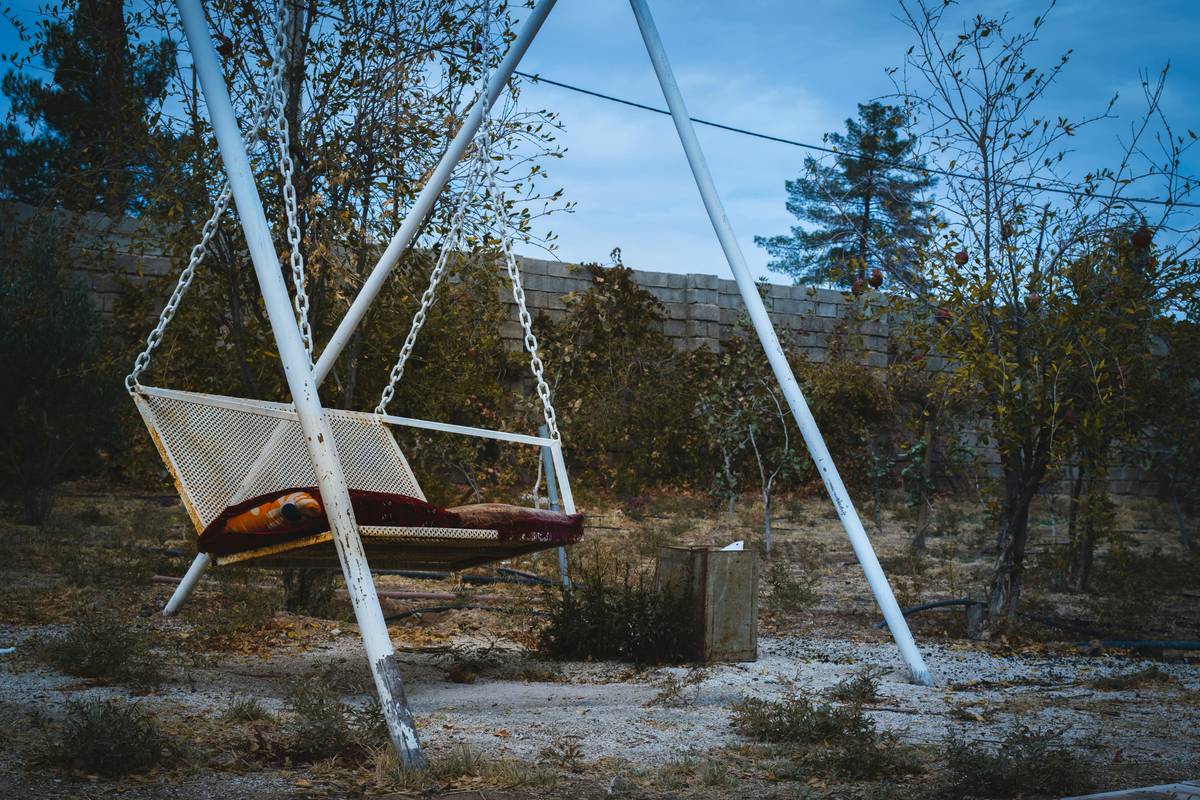
Porch swings attach to a ceiling beam (usually on a covered porch) and hang from chains or ropes. Freestanding swings come with an A-frame or arch support and sit directly on patios, lawns, or decks. At Home Depot, both types fall under “outdoor patio furniture swings,” but installation and safety differ wildly.
Step 1: Measure Your Space—Twice
Swings need clearance: at least 14 inches behind and 3 feet in front for safe motion. For freestanding models, ensure your patio surface is level—uneven concrete = wobble city. I once set up a swing on sloped pavers; it tilted so badly my nephew called it the “vomit comet.”
Step 2: Decode Material Codes
- Powder-coated steel: Best for rain-prone or coastal areas. Resists rust better than painted metal. (Look for Home Depot’s Hampton Bay line.)
- Eucalyptus or acacia wood: Naturally rot-resistant but requires yearly oiling. Avoid pine—it cracks fast.
- All-weather wicker (resin): Lightweight and stylish, but cheap versions become brittle in UV exposure. Check if it’s HDPE (high-density polyethylene)—that’s the gold standard.
Step 3: Verify Structural Requirements
For hanging swings: Your porch ceiling must have a load-bearing joist rated for **at least 500 lbs** (swing + occupants + dynamic force). Home Depot’s product specs often omit this—call their customer service or consult a contractor. Don’t eyeball it; use a stud finder and confirm depth.
Pro Tips for Installation & Long-Term Care
Top 5 Best Practices (From 7 Years of Testing Outdoor Furniture)
- Use stainless steel hardware. Even if the swing includes bolts, replace them with marine-grade stainless steel if you live near salt air or get heavy snow.
- Store cushions seasonally. “Weather-resistant” ≠ “weatherproof.” UV degrades foam and fabric over time. A dry garage extends cushion life by 2–3 seasons.
- Tighten chains monthly. Motion loosens hardware. Keep a wrench handy—better than replacing the whole frame later.
- Apply car wax to metal frames. Sounds weird, but a thin coat repels water and prevents oxidation. Works like a charm on Hampton Bay models.
- Never power-wash wicker. High pressure forces water into crevices, causing hidden mold. Use a soft brush and mild soap instead.
The Terrible Tip Everyone Gives (Don’t Do This!)
“Just hang it from any porch beam!” Nope. I’ve seen three DIY disasters where homeowners attached swings to decorative trim or non-structural beams. The result? Cracked drywall, sagging ceilings, and one ER visit. If you’re unsure, hire a handyman for $75—it’s cheaper than drywall repair + therapy.
Rant Section: My Pet Peeve?
Brands labeling “indoor/outdoor” swings as fully outdoor-ready. Newsflash: if it’s made of cheap rattan or has polyester cushions without UV inhibitors, it’ll look like a sun-bleached ghost by August. Home Depot does better than most (shoutout to their StyleWell line), but always read the fine print under “care instructions.”
Real-World Case Study: From Wobble to Wow
Last spring, my neighbor Maria wanted a swing for her 10×10 concrete patio. She almost bought a $199 “all-weather” model from a big-box competitor—until I spotted the frame was thin-gauge aluminum with plastic joints. Instead, we went with Home Depot’s StyleWell Arden 48-in Freestanding Patio Swing ($279).
Why it worked:
- Powder-coated steel frame with reinforced A-base
- Includes leveling feet (critical for her slightly uneven slab)
- Cushions had Sunbrella® fabric—a trusted name in outdoor textiles
Six months later? Zero wobble. She texts me photos of her morning coffee ritual in it, captioned “best $279 ever.” Bonus: Home Depot’s 90-day return policy gave her peace of mind during the decision phase.
Note: Sunbrella fabrics are independently tested for 5+ years of UV resistance (Source: Glen Raven Inc., 2023 Technical Report).
FAQs About Home Depot Outdoor Patio Furniture Swings
Does Home Depot assemble patio swings?
Yes—through their Tool Rental and Services department. Assembly starts at $99 (as of 2024) and includes delivery in most metro areas. Pro tip: Book early in spring; slots fill fast.
What’s the weight limit on most Home Depot patio swings?
Most models support 400–500 lbs. The Hampton Bay Loring holds 550 lbs. Always verify in the “Specifications” tab online—don’t rely on the main image text.
Can I leave my swing outside all winter?
Metal and HDPE wicker can stay out if covered with a breathable patio furniture cover. Wood swings should be stored indoors or under a fully enclosed porch to prevent warping.
Are replacement cushions available?
Yes! Home Depot sells generic outdoor swing cushions (measure your seat first). For branded models like StyleWell, check “Replacement Parts” on the product page.
Conclusion
Choosing the right Home Depot outdoor patio furniture swing isn’t just about aesthetics—it’s about matching your climate, space, and lifestyle to a piece built to last. Avoid the wobble, skip the rust, and prioritize materials that laugh in the face of summer storms (or Midwest winters). Whether you go for a classic porch hang or a modern freestanding design, measure carefully, verify structural needs, and never skip seasonal maintenance.
Now go claim your slice of backyard zen. Your future self—with iced tea in hand and zero hardware disasters—will thank you.
Like a Tamagotchi, your patio swing needs daily love… or at least quarterly tightening.
Haiku Break:
Chains creak in light breeze,
Cushions plump, frame gleams with care—
Summer’s slow heartbeat.