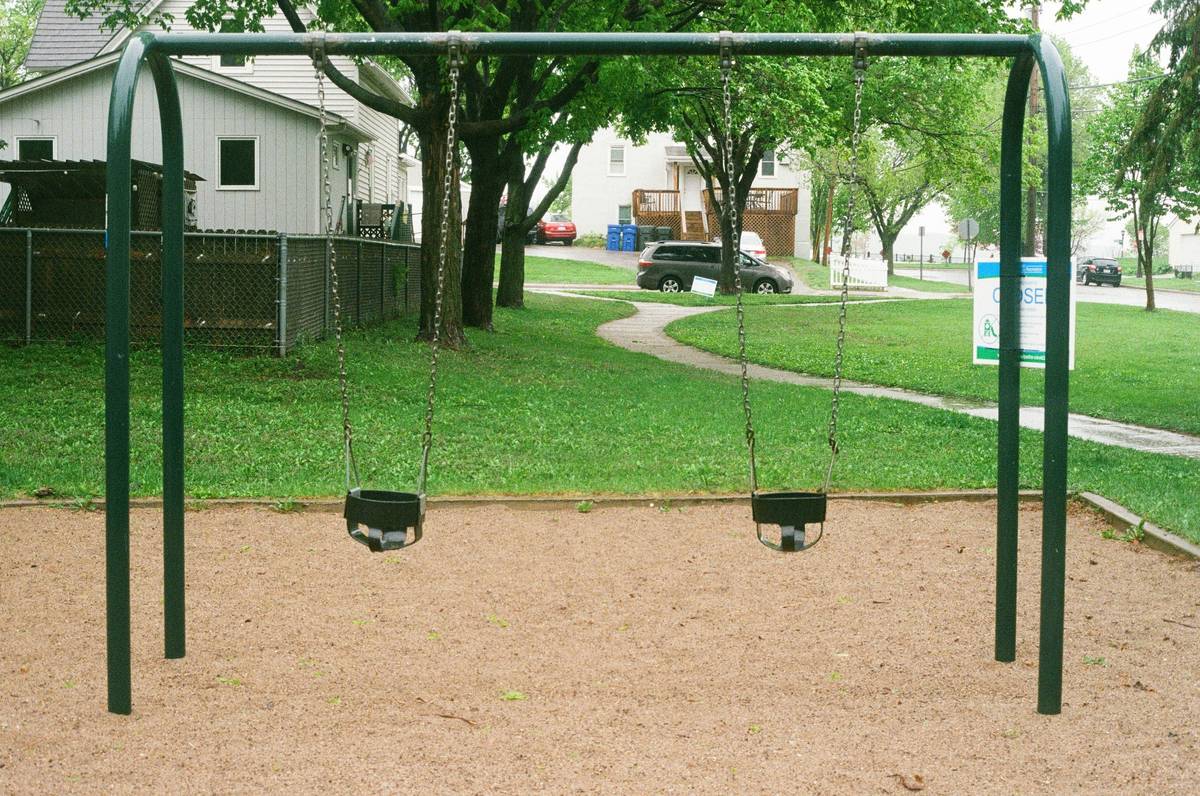
You bought an outdoor metal swing set hoping for lazy Sunday afternoons and backyard laughter. Instead, you got rust stains, wobbling frames, and a slow-motion collapse by August. Most people blame the weather—but that’s only half the story. The real issue? Choosing based on looks alone, not longevity. Here’s how to get it right the second time.
The Hidden Flaw in Most Outdoor Metal Swing Sets
Steel sounds strong. Powder-coated finishes look sleek. But walk into any big-box store, and you’ll see identical swing sets built with thin-gauge tubing, shallow welds, and zero drainage planning. Rain pools. Condensation lingers. Rust creeps in from the inside out—long before you spot the first flake.
And most warranties vanish the moment you skip their proprietary (overpriced) covers. Think about it: if the manufacturer doesn’t trust their own product outdoors, why should you?
How to Choose—and Maintain—an Outdoor Metal Swing Set That Lasts 10+ Years
Forget “assembly required.” Focus on engineering integrity. Start with these non-negotiables:
Frame Thickness Matters More Than Finish
A 1.5mm tube bends. A 2.0mm tube flexes. Go for at least 2.5mm cold-rolled steel. It’s heavier, yes—but it won’t sway like a hammock in crosswinds.
Drainage Isn’t Optional
Any joint, hollow arm, or seat frame without weep holes is a moisture trap. You want water to exit—not settle. Check photos closely. Better yet, ask for engineering specs. Real brands publish them.
Maintenance Isn’t Just Cleaning
Wiping down with soapy water helps—but twice a year, inspect weld points for hairline cracks. Touch up scratches immediately with matching enamel paint. Skip this, and corrosion spreads under the coating like wildfire.
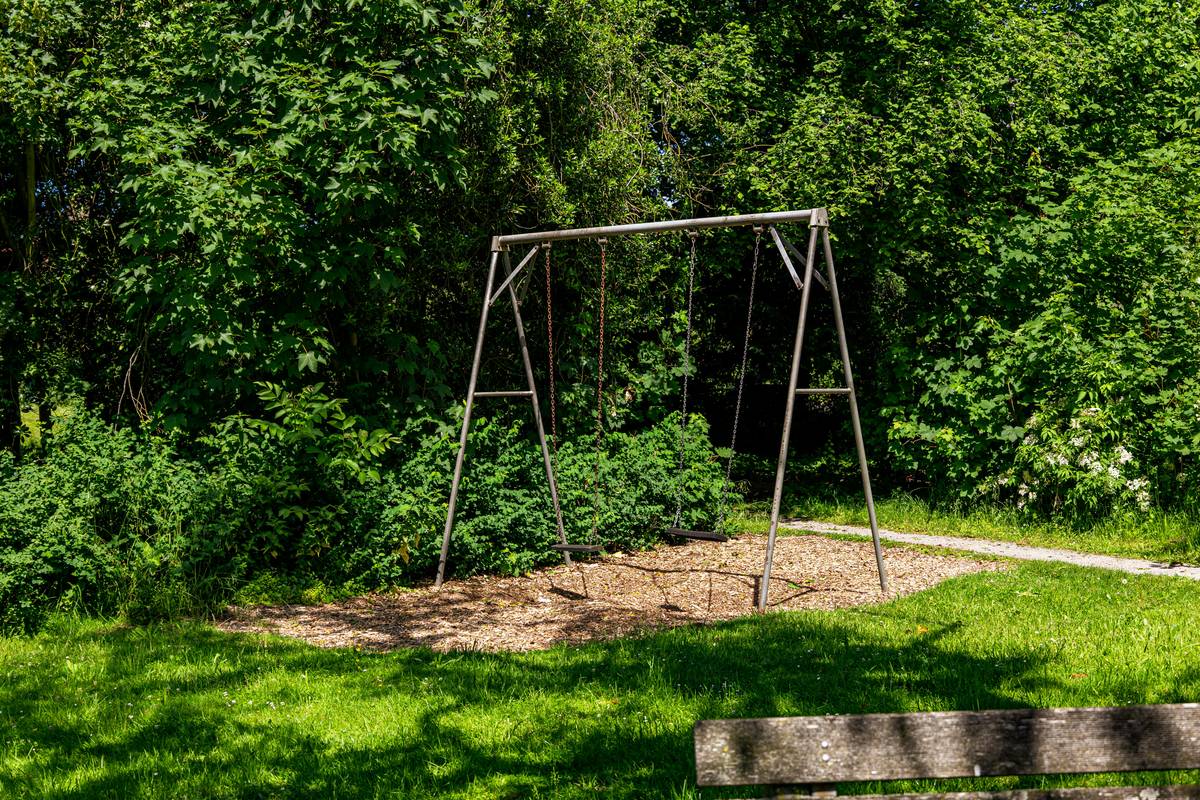
| Feature | Budget Option (<$300) | Mid-Tier ($400–$700) | Premium Tier (>$800) |
|---|---|---|---|
| Steel Gauge | 1.2–1.5mm | 1.8–2.2mm | 2.5mm+ |
| Weld Type | Spot-welded | MIG-welded (partial) | Full MIG + stress-tested |
| Drainage Design | None | Basic weep holes | Angled tubes + sealed joints |
| Expected Lifespan | 2–3 years | 5–7 years | 10–15+ years |
The Industry Secret Big Retailers Don’t Want You to Know
Here’s the reality: many “outdoor metal swing sets” sold online are indoor-grade frames rebranded with a splash of powder coat. The real durability differentiator isn’t the metal—it’s the anti-corrosion pre-treatment. Brands using zinc-phosphate conversion coating before painting last 3x longer than those skipping it. Yet almost none advertise it. Why? Because it adds $12 to manufacturing cost—and cuts into their 70% markup. Ask your supplier: “Do you use phosphate pre-treatment?” If they hesitate, walk away.
Frequently Asked Questions
Can I leave my outdoor metal swing set out all winter?
Yes—if it’s true 2.5mm+ steel with proper drainage. Cover it with a breathable tarp (not plastic!) to reduce condensation buildup. Never wrap it tightly—that traps moisture.
How often should I tighten bolts on a metal swing set?
Check every 60 days. Metal expands and contracts with temperature swings. Loose hardware accelerates wear at pivot points. Keep a socket wrench handy.
Are powder-coated swing sets truly rust-proof?
No finish is rust-proof forever. Powder coating resists chips better than paint—but scratches expose raw metal. Immediate touch-up is your best defense.