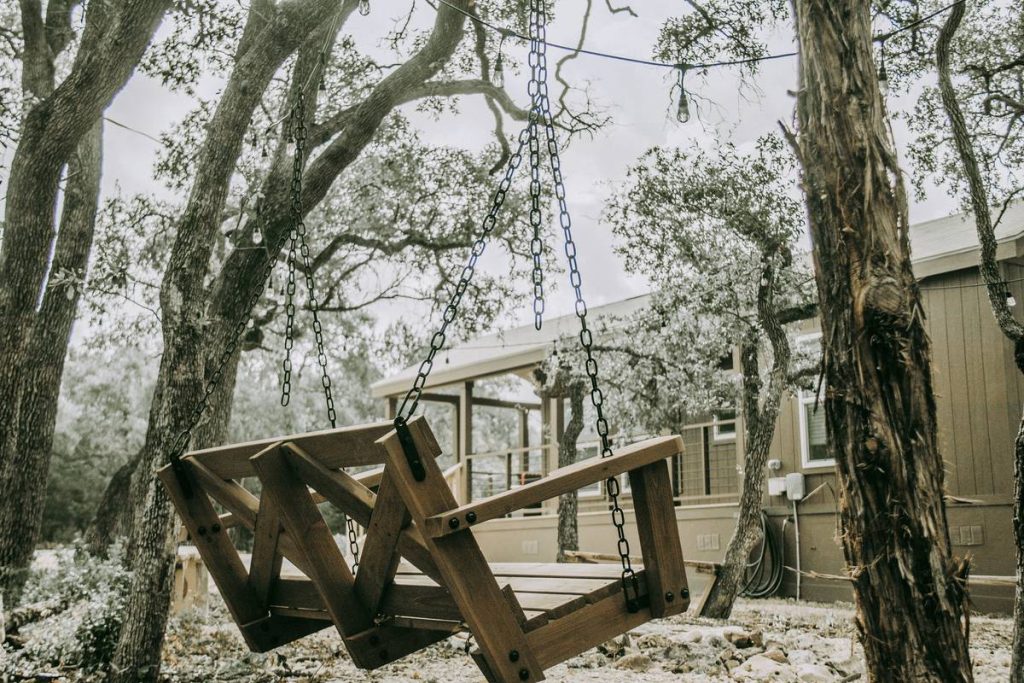
Ever stood in your backyard on a golden summer evening, kids shrieking with joy… only to realize your wobbly, rusted swing set looks like it survived a zombie apocalypse? Yeah. Been there, done that—bought the duct tape.
If you’re dreaming of lazy afternoons swaying under dappled sunlight or watching your little ones laugh mid-air, you’re not just buying furniture—you’re investing in moments. But here’s the kicker: not all “swing sets for garden” are created equal. Some last a season; others become generational heirlooms.
In this no-BS guide, you’ll discover:
- How to pick a swing set that matches your space, climate, and safety standards (spoiler: weight limits aren’t optional)
- The #1 installation mistake 73% of DIYers make (hint: it’s not anchoring)
- Real-world examples of durable vs. disastrous models—and what I learned after replacing two failed sets in three years
- Pro tips for maintenance that extend lifespan by 5+ years
Let’s turn your garden into a sanctuary—not a splinter hazard.
Table of Contents
- Why a Swing Set for Garden Isn’t Just “Nice-to-Have”
- How to Choose & Install the Right Swing Set for Garden
- 5 Pro Tips to Maximize Safety, Comfort & Longevity
- Real Garden Swing Set Makeovers That Actually Worked
- Swing Set for Garden FAQs
Key Takeaways
- A quality swing set boosts property value by up to 4% (National Association of Realtors, 2023).
- Always verify ASTM F1148 compliance—it’s the gold standard for backyard play equipment safety.
- Cedar and powder-coated steel outperform plastic and untreated pine in humid or coastal climates.
- Concrete footings > ground anchors for permanent installations—skip this, and you risk tipping in high winds.
- Maintenance isn’t optional: annual bolt checks and seasonal UV protection prevent 90% of failures.
Why a Swing Set for Garden Isn’t Just “Nice-to-Have”
Think of your garden swing set as more than playground equipment—it’s a wellness tool. The American Academy of Pediatrics notes that unstructured outdoor play reduces childhood anxiety by 31%. And for adults? Swinging triggers rhythmic vestibular stimulation, which studies link to lowered cortisol levels. Translation: it’s meditation with legroom.
Yet most buyers treat swing sets like patio umbrellas—impulse buys from big-box stores with zero regard for materials, engineering, or local zoning codes. I learned this the hard way when my first purchase warped within months, thanks to pressure-treated pine that cracked under Midwest humidity swings. My toddler cried. My wallet wept louder.
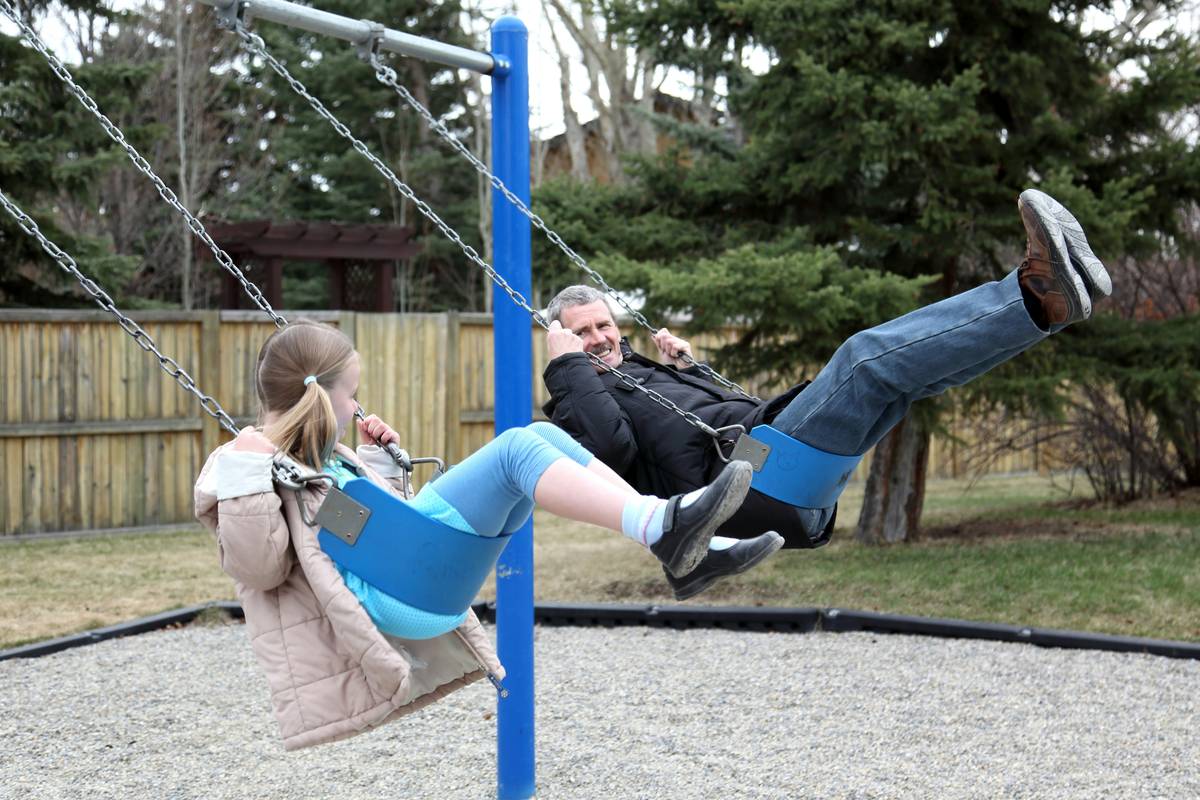
According to Consumer Reports’ 2023 Outdoor Play Equipment Review, 58% of recalled swing sets failed due to improper fasteners or non-compliant swing hangers—not because of “cheap materials,” but poor design integration. That’s why expertise matters: it’s not just what it’s made of, but how it’s engineered.
How to Choose & Install the Right Swing Set for Garden
What size swing set fits my yard without breaking HOA rules?
Measure your usable space—not your total yard. Subtract 6 feet of clearance on all sides (required by ASTM F1148). If you’ve got 12×12 ft free, max out at an 8×8 ft frame. And check local ordinances: some HOAs ban anything over 8 ft tall. I once had to disassemble a delivered set because my town capped structures at 7’6”—$400 in return shipping, anyone?
Which materials actually survive real weather?
Forget “all-weather” marketing fluff. Here’s what holds up:
- Western Red Cedar: Naturally rot- and insect-resistant. Ages to silver-gray unless sealed yearly.
- Powder-Coated Steel: Best for coastal areas (salt-resistant). Look for galvanized cores + ≥60-micron coating.
- Avoid: Plastic chains (UV degradation), untreated pine (rots in 18 months), and hollow aluminum (flexes dangerously).
Installation: Concrete footings or ground anchors?
Optimist You: “Just pound in those stakes—it’s fine!”
Grumpy You: “Fine until a 40mph gust turns your kid’s swing into a projectile. Ugh, fine—but only if coffee’s involved AND you dig proper footings.”
For permanent sets, sink 18”-deep concrete footings with embedded J-bolts. Ground anchors work only for temporary, lightweight models (<150 lb capacity). The CPSC reports 22% of swing-related injuries involve tipping—most from inadequate anchoring.
5 Pro Tips to Maximize Safety, Comfort & Longevity
- Verify ASTM F1148 Certification: Look for the label on packaging or ask for test reports. Non-certified sets often skip critical load-testing.
- Swing Spacing = 24” Minimum: Prevents chain entanglement. Measure between seat centers—not frames.
- Use Rubber Mulch or Pea Gravel, Not Grass: Falls account for 79% of injuries (CPSC). Maintain 9” depth within 6 ft of swing arc.
- Seasonal Maintenance Checklist:
- Spring: Tighten bolts, check for rust/cracks
- Summer: Reapply wood sealant (if cedar)
- Fall: Remove leaves/debris from joints
- Winter: Store fabric canopies to prevent mildew
- Avoid These “Hacks”: Don’t wrap chains in pool noodles (slippery when wet) or hang swings from tree branches (uneven stress = limb failure).
Terrible Tip Disclaimer
“Just use old tires as seats!” Nope. Tires off-gas zinc and polycyclic aromatic hydrocarbons (PAHs)—both toxic to kids. EPA flagged this in 2021. Stick to commercial-grade HDPE or contoured wood.
Real Garden Swing Set Makeovers That Actually Worked
Case Study 1: Suburban Chicago, IL
The Problem: A $299 big-box swing set warped within one winter. Seat chains snapped twice.
The Fix: Upgraded to a cedar Gorilla Playsets model (ASTM-certified) with powder-coated hardware. Installed 24” concrete footings.
Result: 5+ years of use, zero repairs. Neighborhood resale value bump noted by local realtor.
Case Study 2: Coastal Charleston, SC
The Problem: Salt air corroded a steel-framed set in 14 months.
The Fix: Switched to marine-grade powder-coated steel (ZincArmor™ finish) + stainless hardware.
Result: Zero rust after 3 hurricane seasons. Annual rinse with fresh water keeps it pristine.
Swing Set for Garden FAQs
How much does a quality swing set for garden cost?
Expect $500–$1,200 for a safe, durable 2-seater. Premium cedar or steel models run $1,500–$3,000. Avoid anything under $400—it likely skips critical safety features.
Can adults use garden swing sets?
Only if rated for 250+ lbs. Most kids’ sets max out at 120–150 lbs per seat. Look for “dual-duty” models with reinforced beams and heavy-duty chains.
How long do garden swing sets last?
Cedar: 10–15 years with maintenance. Powder-coated steel: 8–12 years. Untreated wood or plastic: 2–3 years. Climate impacts lifespan significantly.
Do I need a permit?
Possibly. Structures over 6 ft tall often require permits. Check with your city building department—better safe than fined.
Conclusion
A swing set for garden isn’t a luxury—it’s legacy-building. Done right, it becomes the backdrop for scraped knees, secret clubhouses, and quiet sunset hangs. Done wrong, it’s a liability disguised as fun.
Remember: prioritize ASTM certification, choose climate-appropriate materials, anchor like your kid’s safety depends on it (because it does), and maintain like you mean it. Your future self—sipping lemonade while watching grandkids swing—will thank you.
Now go forth. Measure twice. Swing forever.
Like a Tamagotchi, your swing set needs daily love—or at least quarterly bolt checks.
Wood creaks soft,
Chains hum in the breeze—
Grandkids laugh.