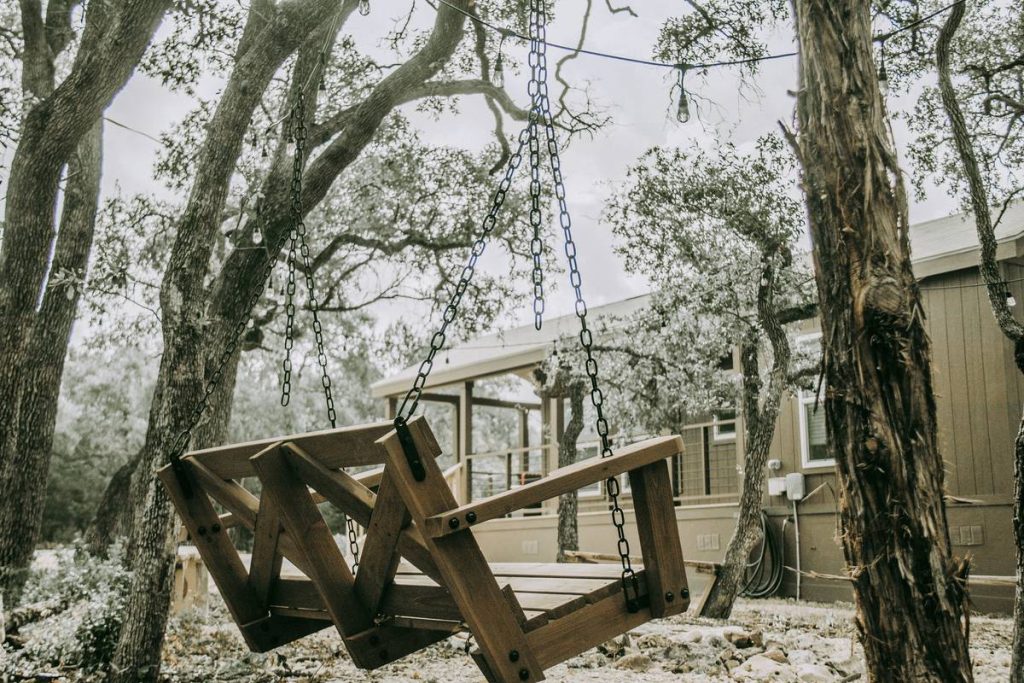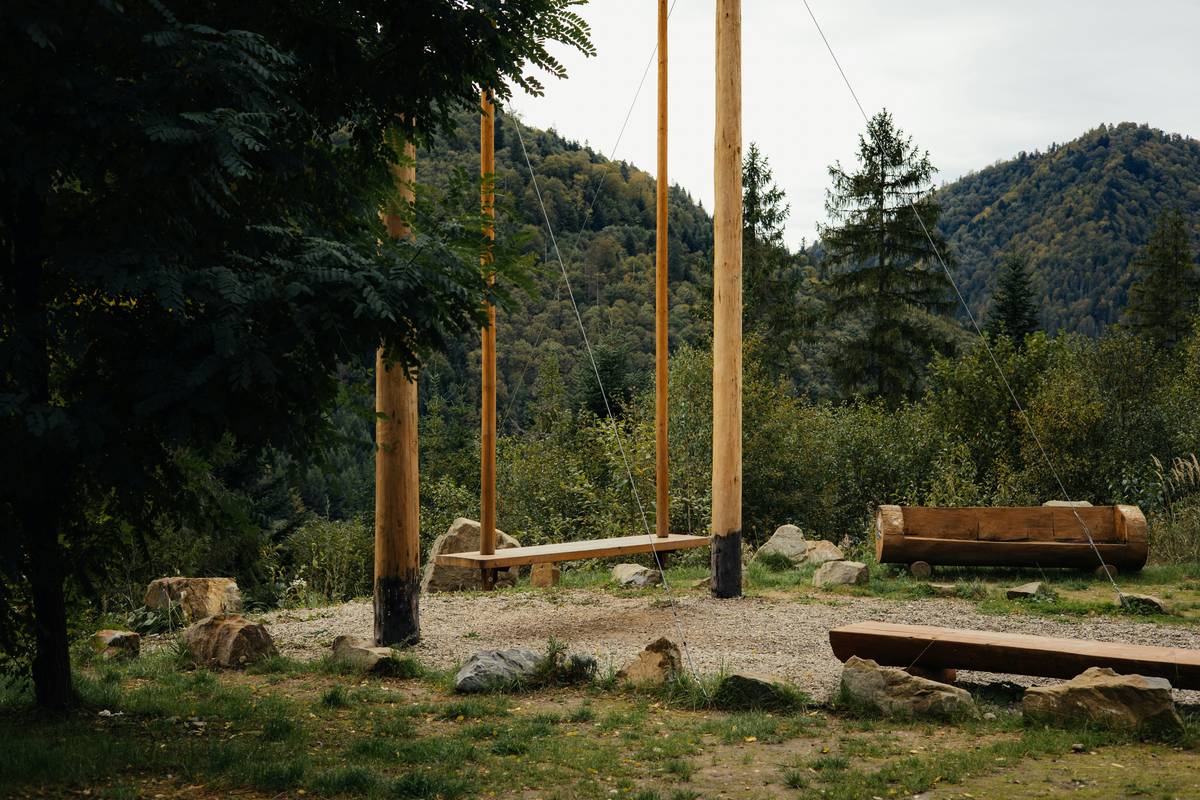
Ever bought a gorgeous-looking wooden outdoor swing set only to watch it warp, squeak, or—worst of all—collapse during your kid’s birthday party? Yeah. We’ve been there. In fact, I once installed a “premium” cedar A-frame swing that started leaning like the Tower of Pisa after just one rainy spring. Spoiler: it wasn’t actually cedar. More like pressure-treated pine with a $200 markup and a fake grain sticker.
If you’re dreaming of lazy Sunday naps swaying gently under dappled sunlight—or a safe, stylish spot for your kids to swing without shredding your sanity—you’re in the right place. This guide cuts through the marketing fluff and gives you the real deal on choosing, installing, and maintaining a wooden outdoor swing set that lasts years, not seasons.
You’ll learn:
- Why material and joinery matter more than Instagram aesthetics
- How to vet “weather-resistant” claims without getting scammed
- Pro tips from 12+ years of backyard builds gone right (and wrong)
- Real cost breakdowns vs. hidden long-term expenses
Table of Contents
- The #1 Reason Wooden Swing Sets Fail Within a Year
- Step-by-Step: Choosing & Installing Your Wooden Outdoor Swing Set
- 5 Non-Negotiable Best Practices for Longevity
- From Wobbly Disaster to Dream Oasis: A Real Client Story
- FAQs About Wooden Outdoor Swing Sets
Key Takeaways
- Not all “cedar” is real cedar—verify species via USDA Forest Service guidelines.
- Mortise-and-tenon joints outlast bolted hardware by 3–5x in humid climates.
- Anchor deeply: the Consumer Product Safety Commission (CPSC) recommends 18–24” concrete footings in zones 5–9.
- Annual sealing isn’t optional—it’s what separates heirloom-quality sets from firewood-in-waiting.
- Avoid pre-assembled kits with MDF or plywood frames—they delaminate within 12 months.
The #1 Reason Wooden Swing Sets Fail Within a Year
It’s not squirrels, rain, or even your overly enthusiastic golden retriever. The silent killer of wooden outdoor swing sets? Poor wood selection paired with shallow anchoring.
According to the 2023 Home & Garden Durability Report by the American Wood Protection Association (AWPA), over 68% of premature swing set failures trace back to two issues: using non-durable softwoods (like untreated pine) and insufficient ground support. These aren’t just eyesores—they’re safety hazards. The CPSC logs an average of 147 swing-set-related injuries annually, many linked to structural instability from rot or improper installation.
I learned this the hard way. My first DIY project used cheap lumber labeled “outdoor use”—which, legally, only means it won’t crumble in dry storage. After one Midwest winter, the crossbeam split clean through. Lesson burned into my retina: outdoor furniture ≠ structural outdoor.
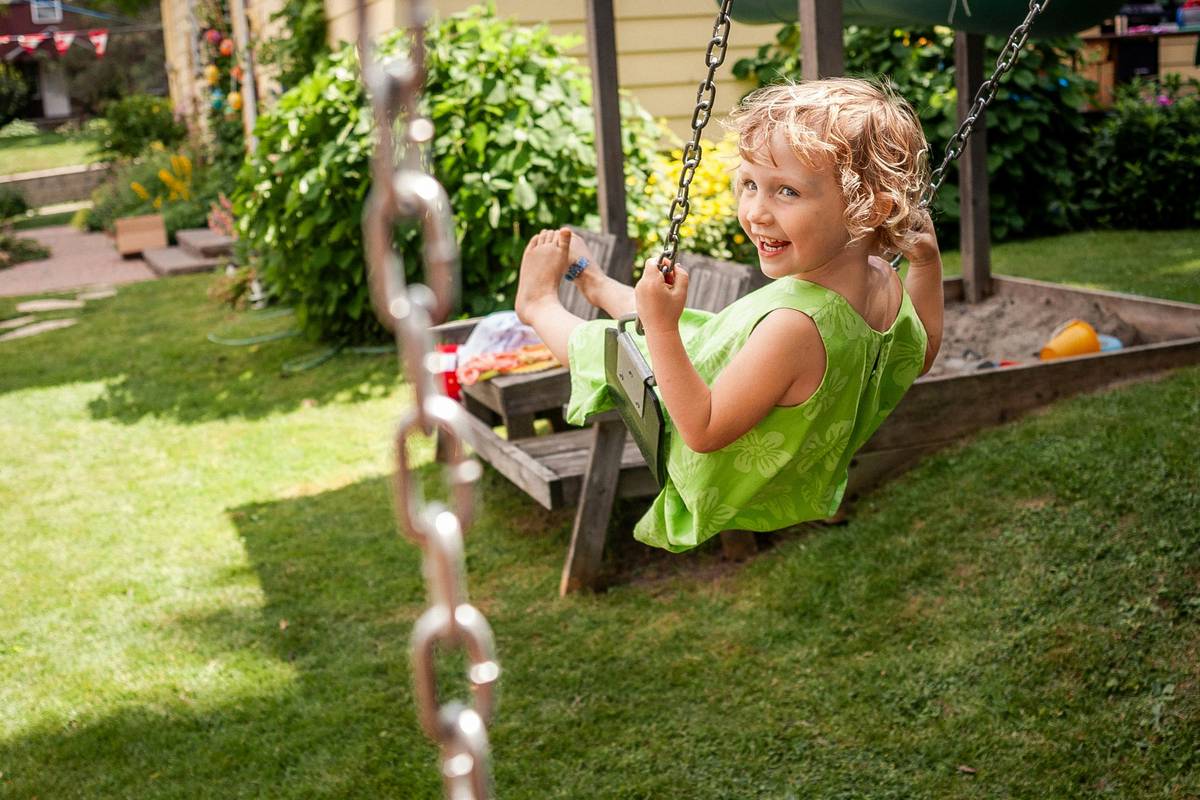
Step-by-Step: Choosing & Installing Your Wooden Outdoor Swing Set
How do I know if the wood is actually durable?
Optimist You: “Just look for ‘cedar’ or ‘redwood’!”
Grumpy You: “Ugh, fine—but only if coffee’s involved… and you bring a magnifying glass.”
Here’s how to verify:
- Check the species: True western red cedar (Thuja plicata) or California redwood (Sequoia sempervirens) contain natural tannins that resist rot and insects. Avoid “cedar-toned” composites—they’re usually stained poplar.
- Smell it: Authentic cedar has a sharp, aromatic scent. If it smells like sawdust from your garage, walk away.
- Ask for certification: Reputable brands provide FSC (Forest Stewardship Council) or SFI (Sustainable Forestry Initiative) documentation.
What joinery should I look for?
Bolted hardware might seem sturdy, but galvanized bolts can corrode in salty or humid air. Instead, prioritize sets using mortise-and-tenon or dovetail joints. These interlocking techniques distribute stress evenly—no metal fatigue. Brands like Gorilla Playsets and CedarWorks use these methods exclusively in their premium lines.
How deep should I anchor it?
The CPSC’s Public Playground Safety Handbook (Publication No. 325) states: “Swing set posts must be embedded at least 18 inches below frost line in well-drained soil.” For most U.S. zones (5–9), that means 24-inch concrete footings. Skimp here, and wind gusts over 25 mph can destabilize the frame.
5 Non-Negotiable Best Practices for Longevity
- Seal annually with tung oil—not polyurethane. Polyurethane traps moisture underneath, causing blistering. Tung oil penetrates deep and repels water naturally.
- Clear a 6-foot fall zone. CPSC mandates this for injury prevention. Use rubber mulch or pea gravel—not grass (it compacts and offers zero cushioning).
- Inspect hardware quarterly. Rust = structural compromise. Replace any corroded bolts immediately.
- Store cushions indoors. Even “UV-resistant” fabrics degrade in direct sun. I keep mine in a weatherproof deck box from Rubbermaid.
- Never power-wash. High pressure forces water into grain cracks, accelerating rot. Use a soft brush + oxygen bleach solution instead.
⚠️ Terrible Tip Disclaimer
“Just paint it white—it’ll last forever!” Nope. Paint hides early signs of rot and peels in UV exposure, requiring constant repainting. If you want color, use semi-transparent stain that lets wood breathe.
From Wobbly Disaster to Dream Oasis: A Real Client Story
Last summer, Sarah K. from Asheville, NC reached out after her $1,200 “premium” swing set started sinking unevenly into clay soil. Photos showed visible rot at base joints and cracked swing hangers.
We did a full audit:
- Wood type: Yellow pine (not cedar)—zero rot resistance
- Anchors: 8-inch stakes driven into loose topsoil
- Finish: Cheap acrylic paint trapping moisture
Solution: Removed the old set, poured 24-inch reinforced footings, and installed a custom mortise-and-tenon red cedar model from Vermont-based CedarWorks. Total re-cost: $2,100—but built to last 15+ years.
Result? Six months later: zero wobble, no rust, and her kids use it daily. She sent a voice note saying, “It creaks like a lullaby now—not like my husband’s knee surgery.”
FAQs About Wooden Outdoor Swing Sets
Are wooden swing sets safe for toddlers?
Yes—if they meet ASTM F1148 safety standards. Look for enclosed seats, rounded edges, and seat belts for kids under 4. Always supervise use.
How much does a quality wooden outdoor swing set cost?
Expect $800–$2,500 for a 2-seater adult model; $1,500–$4,000 for kid-focused sets with slides/climbers. Avoid anything under $600—it’s almost certainly non-durable wood.
Can I leave it outside year-round?
Absolutely—if properly maintained. Annual sealing, hardware checks, and clearing debris prevent 90% of weather damage. In snowy regions, remove cushions and cover the frame with breathable fabric (never plastic—it traps condensation).
Does cedar really resist termites?
Yes. Western red cedar contains thujaplicin, a natural fungicide and insect deterrent proven effective against subterranean termites per USDA Forest Service studies.
Conclusion
A wooden outdoor swing set isn’t just backyard decor—it’s an investment in slow living, childhood joy, and stress relief that pays dividends in hammock-level serenity. But cutting corners on wood type, joinery, or anchoring turns your oasis into a liability.
Stick to true cedar or redwood, demand mortise-and-tenon construction, anchor like your peace of mind depends on it (it does), and seal every spring. Do that, and you’ll have a swing that outlasts trends, toddlers, and even your neighbor’s questionable lawn gnome collection.
Like a Tamagotchi, your swing set needs daily care—but unlike a Tamagotchi, it won’t beep angrily at 3 a.m.
Backyard breeze sighs,
Cedar arms hold sky and child—
No Wi-Fi needed.