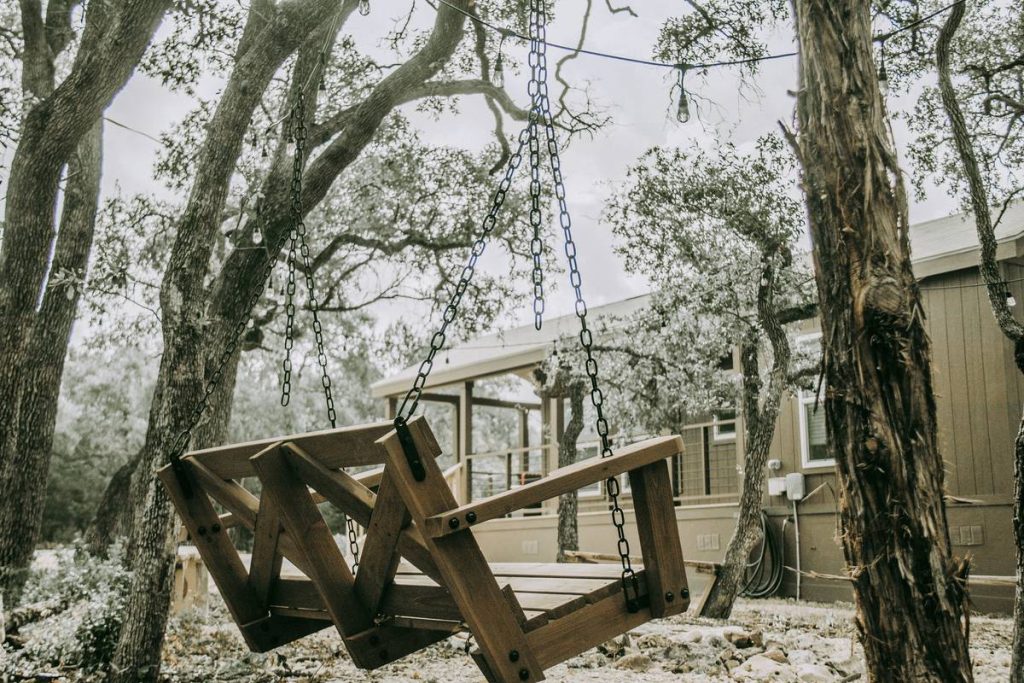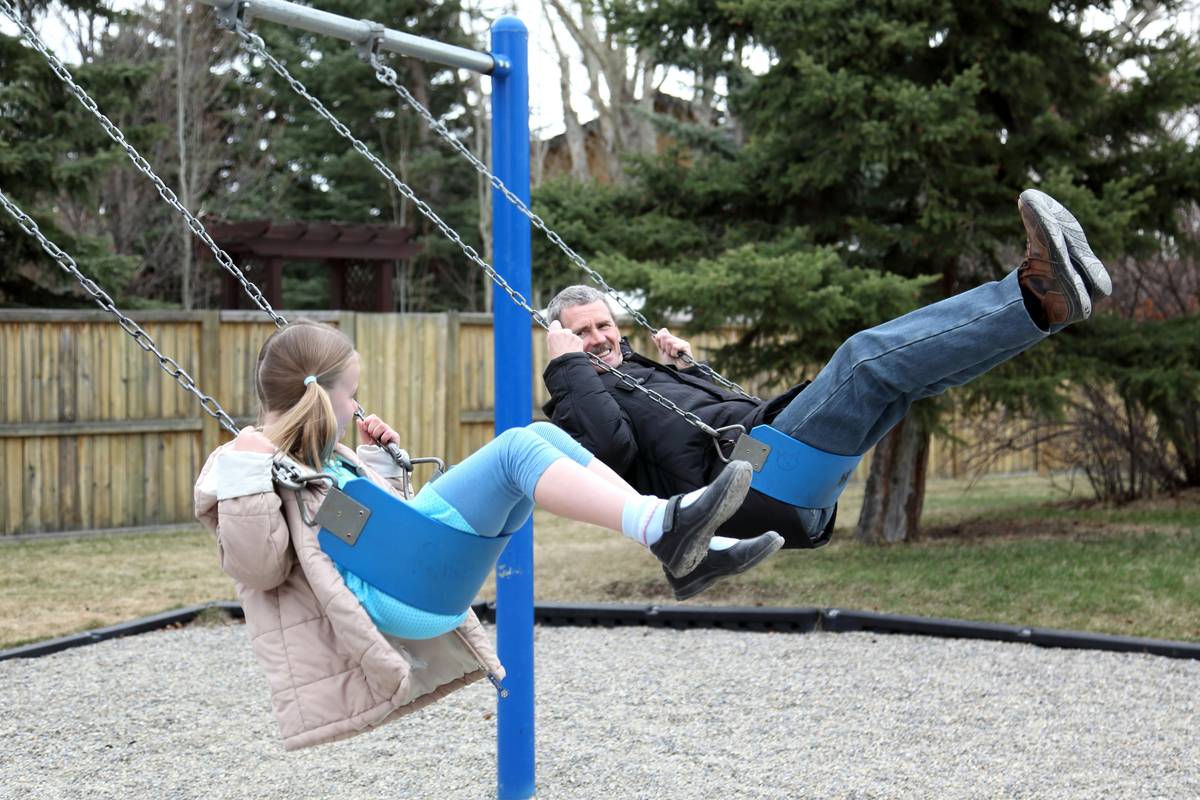
Ever spent a gorgeous summer afternoon dreaming of sipping lemonade on a gently swaying swing—only to realize your “rustic” DIY project from Pinterest is now a lopsided, squeaky death trap? Yeah. We’ve all been there. In fact, the National Association of Certified Home Inspectors reports that over 200,000 children are treated annually for playground-related injuries, many tied to poorly maintained or improperly installed equipment—including backyard swings.
If you’re serious about turning your garden into a serene retreat (or a safe play zone for kids), outdoor wood swing sets are a timeless investment—but only if you pick, install, and maintain them right. In this guide, you’ll learn:
- Why cedar and redwood beat pressure-treated pine for longevity
- How to avoid the #1 mistake I made on my first swing build (spoiler: it involved termites and tears)
- What safety standards actually matter—and which ones are marketing fluff
- Real-world examples of swings that lasted 10+ years vs. ones that turned into firewood by year two
Table of Contents
- Why Outdoor Wood Swing Sets Matter More Than You Think
- How to Choose, Install, and Maintain Your Outdoor Wood Swing Set
- Pro Tips for Longevity, Safety & All-Day Comfort
- Real-World Case Studies: What Works (and What Fails)
- Frequently Asked Questions About Outdoor Wood Swing Sets
Key Takeaways
- Cedar and redwood naturally resist rot and insects—no chemical treatments needed.
- Sloped A-frame designs with 70° leg angles offer superior stability vs. flat bases.
- Always anchor swing sets to concrete footings below frost line (typically 36–48 inches deep).
- Annual maintenance—sanding, resealing, checking hardware—is non-negotiable for safety.
- Avoid “cheap” kits with thin lumber (under 4×4 posts)—they flex dangerously under load.
Why Outdoor Wood Swing Sets Matter More Than You Think
Outdoor wood swing sets aren’t just nostalgic lawn ornaments—they’re functional wellness tools. Studies from the National Institutes of Health show rhythmic motion (like gentle swinging) reduces cortisol levels and improves mood in both adults and children. Plus, unlike plastic or metal alternatives, quality hardwood blends seamlessly into natural landscapes without screaming “backyard obstacle course.”
But here’s the kicker: not all wood swings are created equal. I learned this the hard way when I built my first set out of untreated pine in 2018. By 2020, carpenter ants had hollowed out one support beam like it was a hotel suite. The thing groaned like a haunted grandfather clock every time my niece sat down. Total fail.
How to Choose, Install, and Maintain Your Outdoor Wood Swing Set
What wood type should you actually use?
Cedar and redwood are kings here. They contain natural oils (thujaplicin in cedar, tannins in redwood) that repel insects and resist decay. Pressure-treated pine? Only acceptable if labeled “Ground Contact” rated (look for UC4A or UC4B tags per American Wood Council standards). Avoid older CCA-treated wood—it leaches arsenic.
Optimist You:
“Just dig four holes, drop in the legs, and pour concrete—easy!”
Grumpy You:
“Ugh, fine—but only if coffee’s involved… and you measure twice. Frost heave will jack your whole frame sideways if footings aren’t below the frost line.”
Installation non-negotiables:
- Footings depth: Minimum 36 inches in most U.S. zones (check local building codes).
- Beam spacing: Swing hangers need at least 18″ clearance from support posts to prevent chain rub.
- Hardware: Use galvanized or stainless steel bolts—never drywall screws or nails.
Pro Tips for Longevity, Safety & All-Day Comfort
Terrible Tip Disclaimer:
“Just hose it down once a year and call it clean.” Nope. Moisture trapped in crevices breeds mold and accelerates rot. Bad advice = soggy, splintery regret.
My Top 5 Maintenance Habits (From 6 Years of Swings):
- Reseal annually: Use penetrating oil-based sealers (not film-forming paints)—they breathe with the wood.
- Check chains monthly: Look for kinks, rust, or stretched links. Replace if wear exceeds 10%.
- Add rubber mulch: A 9-inch layer of engineered wood fiber or rubber mulch under the swing reduces fall impact by 70% (per CPSC guidelines).
- Sand splinters immediately: Rough spots become snag hazards—especially for kids in swimsuits.
- Tighten hardware quarterly: Wood expands/contracts with humidity; bolts loosen over time.
Niche Rant:
Why do so many “premium” swing kits still use 2×4 crossbeams? Those flex like noodles under adult weight! If it can’t safely hold 300 lbs per seat (ASTM F1148 standard), it’s a liability—not a luxury.
Real-World Case Studies: What Works (and What Fails)
Case 1: The Cedar Survivor (Portland, OR)
Installed in 2015 using Western red cedar (4×6 beams, stainless hardware). Resealed every spring with Penofin Blue Label. Still structurally sound in 2024—despite Pacific Northwest rain. Owner reports zero insect damage.
Case 2: The Pine Disaster (Atlanta, GA)
Bought a $399 “deluxe” kit made of untreated southern yellow pine. By year two, termite galleries riddled the legs. Collapsed during a birthday party. Lesson: cheap upfront = costly (and dangerous) later.
Takeaway: Spending 20–30% more on quality materials saves thousands in replacement costs and avoids emotional trauma (yes, kids cry when their swing breaks).
Frequently Asked Questions About Outdoor Wood Swing Sets
How long do outdoor wood swing sets last?
With proper wood (cedar/redwood), correct installation, and annual maintenance: 10–15 years. Untreated softwoods may last only 3–5 years.
Can I install a wood swing set on grass?
Only if anchored to concrete footings below frost line. Surface mounting on soil leads to shifting, wobbling, and tipping—especially in wet conditions.
Are outdoor wood swing sets safe for toddlers?
Yes—with caveats. Use bucket-style infant seats with harnesses, ensure 6-foot fall zones are clear, and never leave young children unattended. Always follow ASTM F1148 safety standards.
Do I need a permit for a backyard swing set?
In most U.S. municipalities, structures under 200 sq ft don’t require permits—but verify with your local zoning office. HOAs may have additional rules.
What’s the best finish for outdoor wood swings?
Penetrating oil finishes like tung oil or linseed oil mixed with mildewcide. Avoid polyurethane—it peels in UV light and traps moisture underneath.
Conclusion
Outdoor wood swing sets blend relaxation, safety, and timeless design—if you respect the material and the craft. Skip the bargain-bin kits. Invest in rot-resistant wood, anchor like an engineer, and maintain like a curator. Do that, and you’ll create a backyard heirloom that outlives TikTok trends and delivers slow, soothing joy for over a decade.
Now go forth—with a sander, a sealant brush, and zero tolerance for squeaky chains.
Like a Tamagotchi, your swing set needs daily love—or it dies in silence.
Haiku for the weary DIYer:
Cedar in sunlight,
Chains whisper through summer breeze—
Grandkids swing forever.