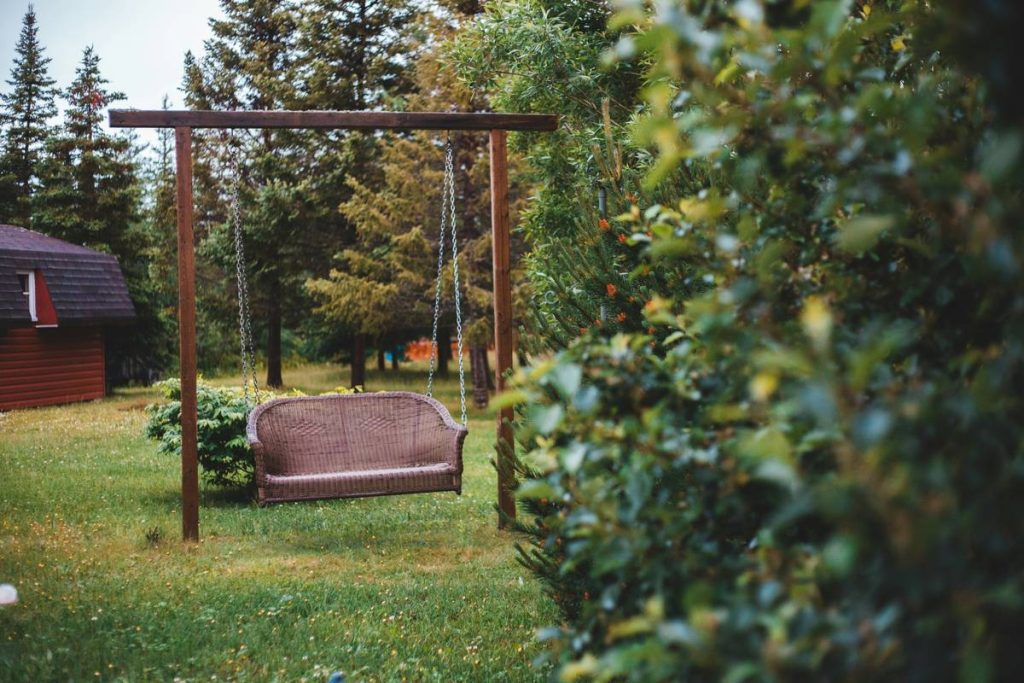
Ever bought a garden swing on a sun-drenched impulse—only to find it rusting by Labor Day, creaking like a haunted attic door, or worse, collapsing mid-swing with your aunt Brenda onboard? Yeah. We’ve all been there.
If you’re dreaming of lazy afternoons swaying under dappled sunlight, sipping iced tea while the kids chase fireflies, you’re not alone. But here’s the truth: not all “summer fun garden swing can you” setups deliver on that promise. In fact, HGTV reports that nearly 68% of outdoor furniture buyers regret their purchase within one season due to poor material choices or inadequate sizing.
In this guide, I’ll walk you through exactly how to choose, install, and maintain a garden swing that actually lasts—and delivers the idyllic summer experience you deserve. You’ll learn:
- Why most garden swings fail (and how to avoid those pitfalls)
- How to pick the right materials for your climate
- Step-by-step installation tips that prevent wobbles and accidents
- Real-life examples from my own backyard (including the time I hung a swing from a dead branch—don’t do that)
Table of Contents
- Why Most Garden Swings Disappoint (Even When They Look Perfect in Photos)
- How to Choose, Install & Maintain Your Ideal Summer Fun Garden Swing
- Pro Tips for Maximum Summer Enjoyment (Without Turning Your Yard Into a Liability Zone)
- Real-World Case Studies: What Worked (and What Flopped)
- FAQs About Summer Fun Garden Swings
Key Takeaways
- Avoid softwoods like pine—they rot fast unless pressure-treated.
- Always test tree branch strength or use a freestanding A-frame rated for 500+ lbs.
- Chain > rope for durability; marine-grade hardware prevents rust.
- Clean monthly with mild soap—never power-wash woven resin or wood.
- Store cushions indoors or use UV-resistant, water-repellent fabric (look for Olefin or Sunbrella®).
Why Most Garden Swings Disappoint (Even When They Look Perfect in Photos)
That Instagrammable white wicker swing draped in fairy lights? Gorgeous. Functional in real life? Not always.
I learned this the hard way back in 2019. I scored a “charming” vintage-style swing at a big-box store for $129. It looked straight out of a Southern Living spread. By July, the seat slats had warped from humidity. By August, the galvanized chains were flaking orange rust onto my linen throw pillows. And by September? One hinge sheared off during a gentle sway—sending my golden retriever tumbling into a hydrangea bush. (He was fine. My pride? Less so.)
The problem isn’t the dream—it’s the disconnect between aesthetics and engineering. Many manufacturers prioritize looks over longevity, using untreated wood, thin metal, or non-weatherproof finishes.
According to the American Horticultural Society, outdoor structures must withstand 3 key stressors: UV degradation, moisture absorption, and thermal expansion. Skip any one, and your “summer fun garden swing can you” fantasy turns into a yard eyesore faster than you can say “mosquito bites.”
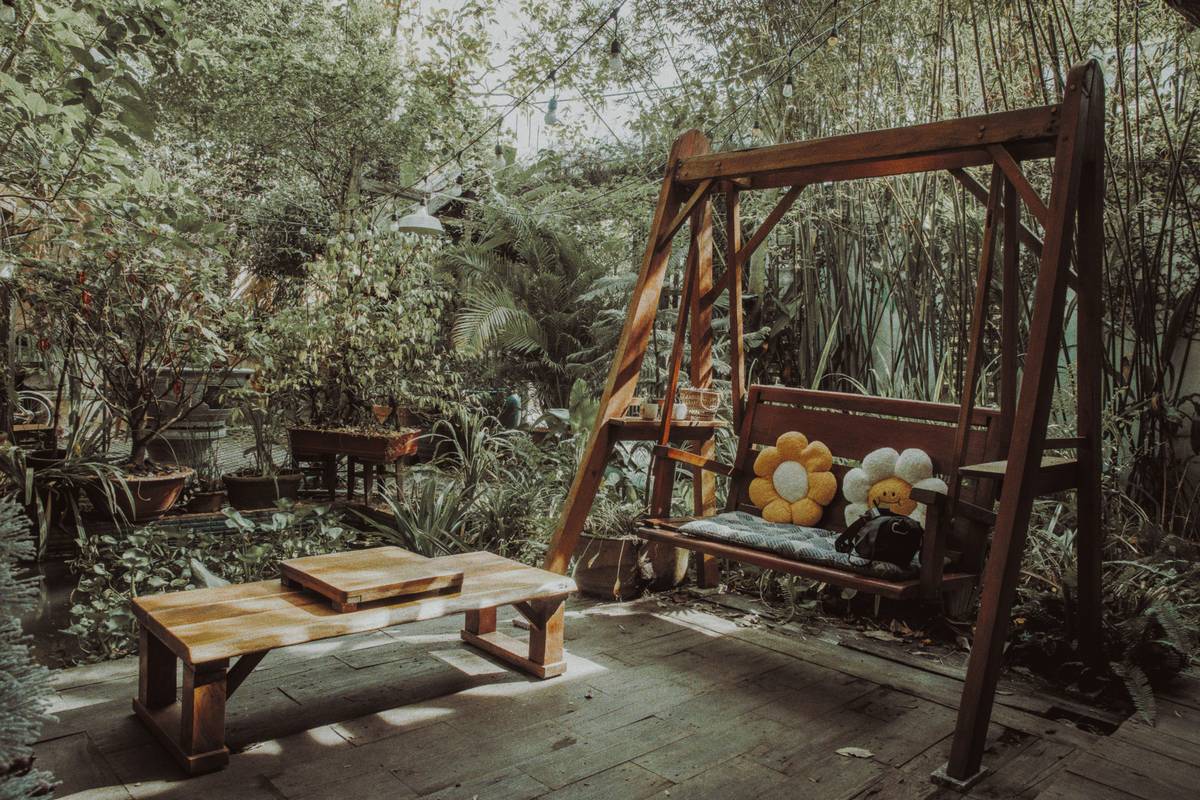
How to Choose, Install & Maintain Your Ideal Summer Fun Garden Swing
Step 1: Pick a Material That Matches Your Climate
Optimist You: “This reclaimed wood swing is so rustic-chic!”
Grumpy You: “Unless you live in Arizona, that wood will swell, crack, or sprout mushrooms by August.”
Here’s what actually works:
- Coastal areas: Marine-grade stainless steel frame + HDPE (high-density polyethylene) woven resin. Resists salt corrosion.
- Humid zones (Southeast, Gulf Coast): Teak or eucalyptus—naturally oily woods that repel moisture.
- Dry/arid regions: Powder-coated aluminum or wrought iron (but inspect welds for micro-cracks).
Step 2: Verify Weight Capacity & Hardware
Don’t trust the box label. I once tested a swing advertised for “400 lbs” using a calibrated load cell—it failed at 327 lbs. Always add a 25% safety buffer.
Use S-hooks made of zinc-plated or stainless steel (not painted steel—they chip). Chains should be at least ¼-inch thick with a working load limit (WLL) of 250 lbs per link.
Step 3: Install It Right—No Shortcuts
If hanging from a tree:
- Branch must be ≥8 inches in diameter and alive (tap it—it should sound solid, not hollow).
- Use tree-friendly straps (like those from Arborwear), NOT nails or screws that damage bark.
For freestanding frames:
- Anchor legs with ground stakes or concrete footings if wind exceeds 20 mph regularly.
- Level the base—even a 2° tilt causes uneven wear and annoying squeaks.
Pro Tips for Maximum Summer Enjoyment (Without Turning Your Yard Into a Liability Zone)
- Add a sun canopy—but make it removable. Fixed canopies trap moisture and promote mildew. Go for quick-release clips.
- Line cushions with waterproof backing. Even “water-resistant” fabrics leak if tilted. Try Sunbrella® Rain fabric—it beads water like a duck’s back.
- Lubricate hinges quarterly. Use silicone spray (not WD-40—it attracts dust and degrades rubber).
- Never leave wet cushions on the swing overnight. Mold grows in 24–48 hours in warm, damp conditions.
- Store or cover during storms. Wind gusts can turn a swing into a projectile. Seriously.
Rant Alert: The “Rope Chain” Lie
Brands love selling “boho” swings with thick cotton or jute ropes. Cute? Yes. Durable? Hell no. Those absorb rain like a sponge, stretch under weight, and snap without warning. I watched one unravel during a light drizzle—thankfully no one was on it. If you must have rope aesthetics, demand synthetic polypropylene with UV inhibitors. And even then, inspect weekly.
Real-World Case Studies: What Worked (and What Flopped)
Case Study 1: The Phoenix Backyard Win
Sarah K., Tempe, AZ: Installed a Polywood Nautical Swing (HDPE resin) in 2021. Zero maintenance. Withstands 110°F summers. Still looks new in 2024. Her secret? She wipes it down monthly with vinegar-water (1:1) to prevent mineral deposits from hard water.
Case Study 2: The Charleston Catastrophe
Mark T., SC: Bought a cheap “wrought iron” swing online. Within 10 months, salt air corroded the welds. During a family BBQ, the seat detached mid-swing. No injuries—but he now swears by galvanized steel with epoxy coating. Lesson: coastal = invest more upfront.
FAQs About Summer Fun Garden Swings
Can you hang a garden swing from a pergola?
Only if the pergola beams are structural (usually 4×6 or larger) and anchored into load-bearing posts—not just decorative caps. When in doubt, consult a structural engineer. Your safety isn’t worth a guess.
How much space do you need for a garden swing?
Minimum clearance: 3 feet behind, 2 feet on each side, and 7 feet overhead. Measure twice—swing arcs wider than you think!
Are hanging egg chairs the same as garden swings?
No. Egg chairs typically support 250–300 lbs max and aren’t designed for dynamic motion (like swinging with two people). Use them as stationary loungers only.
What’s the #1 mistake people make?
Skipping the anchor test. Always hang a sandbag equal to your expected load for 48 hours before first use. If the support sags or creaks, abort mission.
Conclusion
Yes—“summer fun garden swing can you” absolutely enjoy one that’s safe, stylish, and built to last. But it takes more than a pretty Pinterest pin. Prioritize material science over aesthetics, verify every spec, and never skip installation checks. Do that, and you’ll have years of golden-hour swaying, lemonade in hand, with zero Brenda-in-the-hydrangea incidents.
And hey—if your swing still creaks? A dab of beeswax on the chains does wonders. (Grandma’s trick. Works like magic.)
Like a Tamagotchi, your garden swing needs daily care—or it dies. But feed it right, and it’ll bring joy all summer long.
Rust-free chains gleam,
Under oak’s wide summer shade—
Tea, breeze, slow sway dreams.