
Your backyard feels empty. Not barren—but lifeless. You’ve added string lights, a grill, maybe even a fire pit. Yet something’s missing. That gentle creak, the soft sway… the soul-soothing rhythm only a swing for home outdoor can deliver. But here’s the problem: most people buy one without thinking about structure, longevity, or comfort—and end up with a wobbly eyesore that rusts by August.
Why Most Outdoor Swings Fail Within a Season
They look perfect in the catalog. Real life? Different story. Cheap chains stretch. Plastic seats crack under UV assault. And if your support beam isn’t engineered for dynamic loads—forget it. You’re not just buying furniture. You’re installing a kinetic sculpture that must handle weight shifts, wind gusts, and decades of weather.
And manufacturers won’t tell you this: many “outdoor-rated” swings use hardware meant for indoor porches. Rain seeps into screw threads. Wood swells. Metal fatigues. The math is simple: poor mounting = premature failure.
How to Choose & Install a Lasting swing for home outdoor
Material Matters More Than Style
Cedar and teak resist rot naturally—no chemical sealants needed. Powder-coated steel beats painted iron every time. And skip plastic-resin composites unless they’re marine-grade. They fade fast under direct sun.
Mounting Isn’t Optional—It’s Everything
A proper swing needs a dedicated overhead beam rated for at least 500 lbs—even if you weigh 150. Why? Dynamic force multiplies with motion. A 200-lb person swinging gently exerts 300+ lbs of peak load. Use galvanized lag bolts (not deck screws!) and confirm joist depth with an electronic stud finder. Guessing leads to ceiling cracks—or worse.
Comfort Is Physics, Not Opinion
Seat depth should be 18–22 inches. Any less, and your knees hit the frame. Chain length? 6–8 feet from beam to seat gives ideal arc without bottoming out. And always angle chains slightly inward—they stabilize side-to-side sway.
| Swing Type | Avg. Lifespan (Years) | Installation Complexity | Best For |
|---|---|---|---|
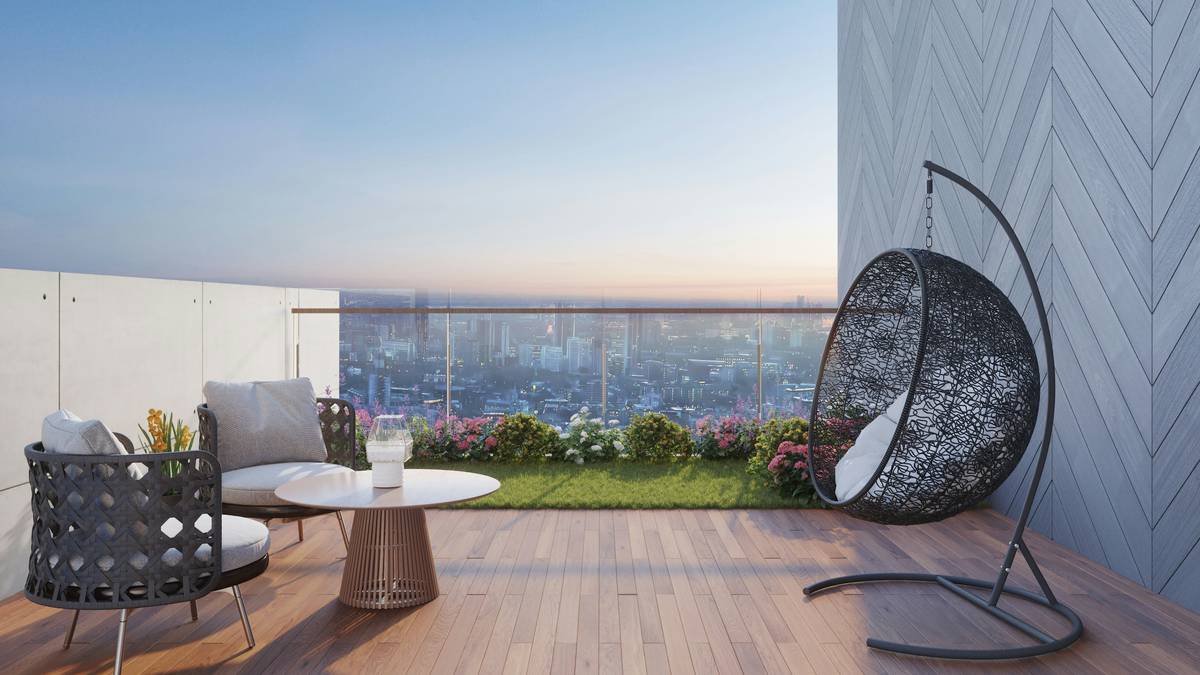
| Freestanding Metal Frame | 8–12 | Low (No mounting needed) | Renters, small patios, flat yards |
| Hanging Porch Swing | 15–25+ | High (Structural assessment required) | Permanent homes, covered areas |
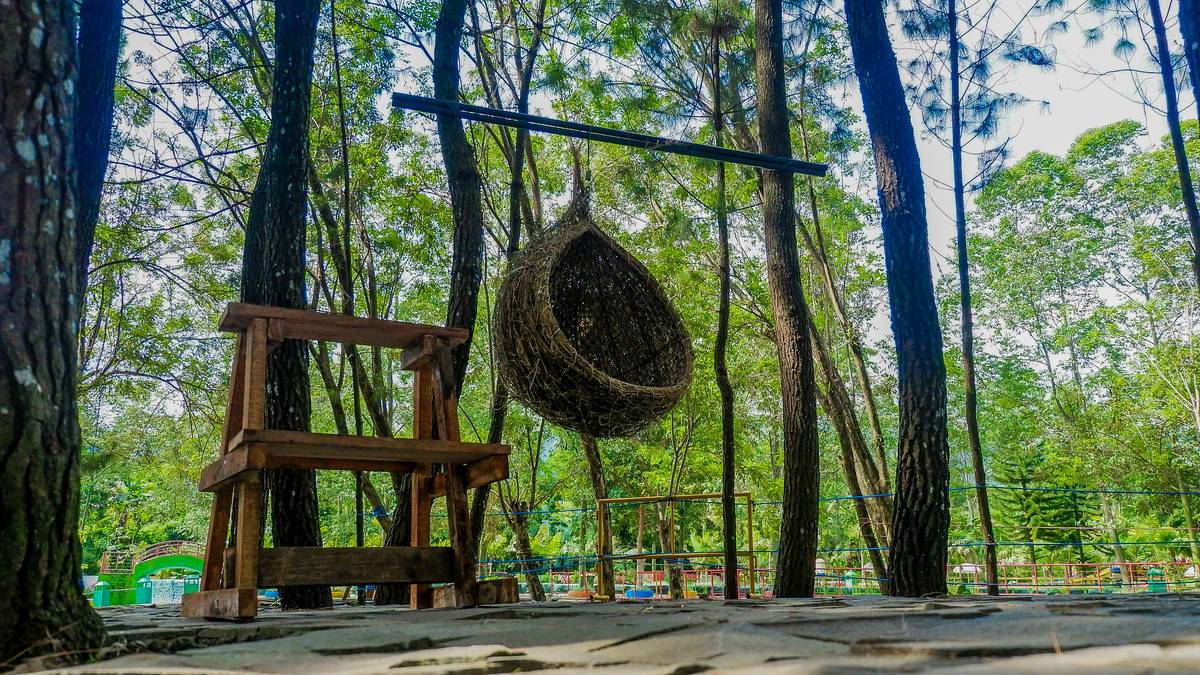
| Hammock-Style Swing | 3–7 | Medium (Tree or beam anchor) | Boho vibe, temporary setups |
| Kit-Built Wooden Swing | 10–20 | Medium-High (DIY carpentry skills) | Custom builds, large gardens |
The Industry Secret: “Quiet Comfort” Engineering
Top designers don’t just focus on looks—they obsess over sound and motion decay. Here’s what no retailer mentions: the best swings use polymer bushings inside chain links to eliminate metal-on-metal squeak. Others embed memory foam beneath weather-resistant canvas—so cushioning lasts years, not months. And the real pro move? Mounting chains to spring-loaded ceiling plates. They absorb micro-vibrations from wind or shifting weight, making the ride eerily smooth. You won’t find this in big-box stores. It’s why high-end custom swings cost more—but disappear into your daily ritual like a favorite chair.
Frequently Asked Questions
Can I hang a swing for home outdoor from a tree?
Yes—but only if the branch is at least 8 inches in diameter, alive, and hardwood (oak, maple). Never use deadwood. Wrap chains with rubber hose to prevent bark damage.
How much clearance do I need behind an outdoor swing?
Minimum 3 feet rear clearance, 14 inches on each side. Swings travel farther than you think—especially with kids or wind.
Do outdoor swings need winter covers?
Not if made from teak, aluminum, or marine-grade polymer. But fabric cushions? Always store them indoors. Moisture trapped under covers breeds mold faster than exposure alone.